PVC Grade Selection Guide
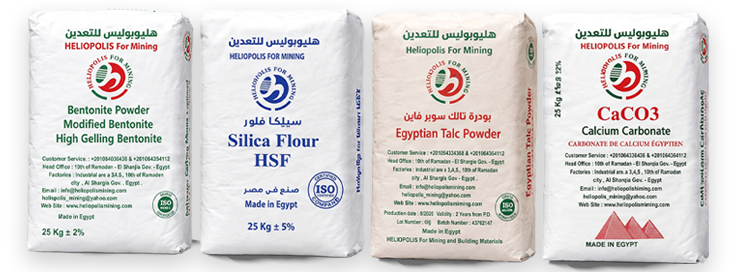
Calcium carbonate is the primary filler in rigid and flexible PVC compounds, and the choice of grade materially affects processing efficiency, mechanical performance and surface appearance across pipe, profile and film applications.
This guide summarises the key selection criteria for PVC compound formulators sourcing GCC in the MENA region.
Rigid PVC pipe and fittings
For pressure pipe (uPVC), the dominant requirement is impact resistance — particularly low-temperature impact. Coated ultra-fine GCC (D50 1.5–3 µm, stearate treated) is preferred because it disperses readily in the PVC matrix without acting as a stress concentrator. Uncoated or coarse-grade GCC can reduce impact performance and increase die swell.
PVC profiles (windows, cladding)
Profiles demand consistent whiteness and good weatherability. High-brightness GCC (ISO > 95) combined with appropriate UV stabilisation systems produces profiles that retain colour over extended outdoor exposure. Surface smoothness is influenced by the top-cut of the filler — D97 below 20 µm is a common specification.
Flexible PVC and calendered film
In plasticised PVC, GCC loading is higher (30–60 phr). Coated grades improve plasticiser retention and reduce compound viscosity, improving calender throughput. Fine grades also contribute to a smoother film surface.