Kaolin for Ceramics & Glass
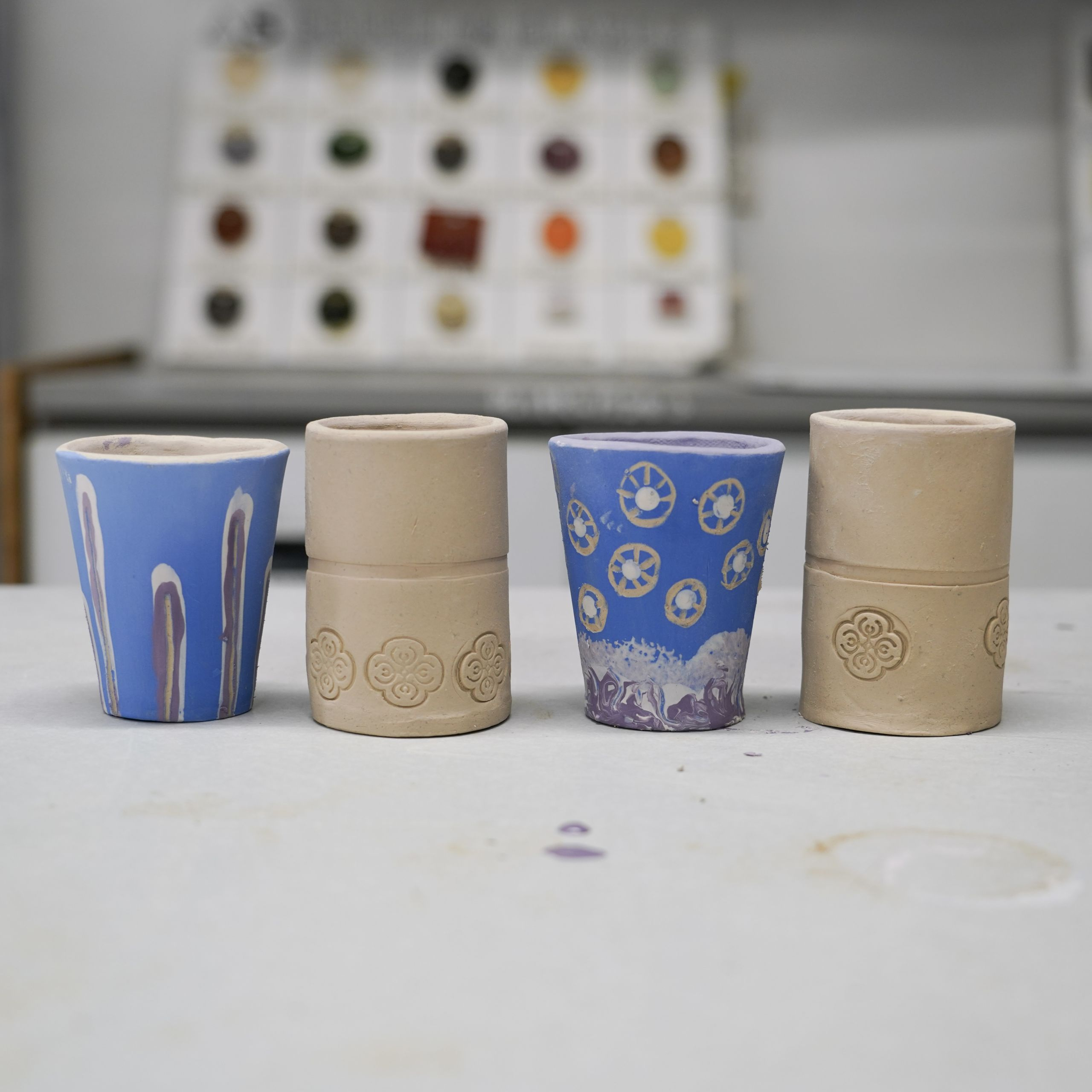
Kaolin — hydrous aluminium silicate — is indispensable in ceramics and glass, where it contributes plasticity during forming, whiteness after firing, and the alumina content that controls fired strength and thermal stability.
Choosing between hydrous and calcined kaolin, and between different particle size grades, depends on the specific ceramic body or glaze formulation.
Hydrous kaolin
Hydrous kaolin retains its hydroxyl groups and remains plastic when wet. In ceramic bodies — floor and wall tiles, sanitaryware, tableware — it provides the workability needed for wet forming processes (extrusion, slip casting, pressing with spray-dried powder). The kaolinite crystal structure also contributes to a smooth dry green body that reduces defect risk before firing.
Calcined kaolin
Calcination at 950–1050 °C converts kaolinite to metakaolin, eliminating hydroxyl water and increasing surface area. Calcined kaolin is used in glazes and engobes where plasticity is not needed, and in high-whiteness sanitaryware bodies where brightness and fired translucency are priorities. It is also used in fibreglass as a source of high-purity alumina.
Heliopolis supplies both hydrous and calcined kaolin to ceramics manufacturers in Egypt and export markets, with particle size specifications tailored to the forming method and firing temperature.